In this guide
- What affects tow truck response time in Beaumont TX?
- How long does a tow truck take to arrive in Beaumont?
- What should you tell the dispatcher to get an accurate ETA?
- How do you share your live location with a tow truck?
- Does the type of tow truck change how long you wait?
- Does where you are in Southeast Texas change the wait?
- What should you do while you wait for a tow truck?
- What if the tow truck takes longer than the ETA you were given?
- Frequently asked questions
- About Hawk Towing & Auto
Tow truck response time in Beaumont, TX depends on where the nearest free truck is, the traffic between it and you, the weather, and how well you can describe your spot. A dispatcher gives you an ETA when you call. This guide shows what moves that number and how to help it along.
Last updated: November 17, 2026
Need a tow now? Call Hawk Towing & Auto at (409) 790-1677. We take calls 24 hours a day, 7 days a week, and you get an ETA on the call.
What affects tow truck response time in Beaumont TX?
Six things set tow truck response time in Beaumont TX: how far the nearest truck is, the traffic between it and you, the weather, how many calls are coming in, how clearly you describe your spot, and whether the truck fits your vehicle. You control some of these. Most you don’t.

| Factor | What it does to your wait | What you can do |
|---|---|---|
| Distance from the truck | A truck has to drive to you. A longer drive means a longer wait. | Give your exact spot and your city, so the dispatcher can see the real distance. |
| Traffic and time of day | Rush hour on I-10, US-69 and US-96 slows every vehicle, tow trucks included. | Ask whether traffic is changing the ETA. |
| Weather and flooding | Heavy rain and Gulf storms slow roads, close some, and bring many breakdown and ditch calls at once. | Tell the dispatcher about standing water or a soft shoulder near you. |
| Call volume | After a wreck that backs up a highway, or during a storm, many drivers call at once. | If the ETA was given during a busy spell, ask for an updated one later. |
| Location detail | “I’m on I-10” could mean miles of road. A truck can’t leave for a spot it can’t find. | Give the direction, the nearest exit or cross street, and a landmark. |
| Vehicle type | AWD, 4WD, lowered and electric vehicles may need a different truck than a standard car. | Tell the dispatcher the make, model and drivetrain. |
If you’re stuck on the interstate, our guide to a car breakdown on I-10 in Beaumont covers the first few minutes in more detail.
How long does a tow truck take to arrive in Beaumont?
There’s no single number that’s true for every call, and nobody can give you a real one before they know where you are. The honest answer is the ETA a dispatcher gives you after you describe your location and your vehicle. Treat any time quoted before that as a guess.
How long for a tow truck? It depends on how the ETA gets built. A dispatcher works through three steps:
- Find you. They pin down your road, direction and nearest exit or cross street.
- Match a truck. They pick a free truck with the right equipment for your vehicle, such as a flatbed or a wheel-lift.
- Estimate the drive. They look at distance, current traffic and weather between that truck and you.
When you search “quick tow near me” from the roadside, the quickest truck isn’t always the closest one on the map. It’s the closest truck that is free, has the right equipment and has a clear route to you. That’s why two calls about the same road can get two different answers.
What should you tell the dispatcher to get an accurate ETA?
Give the dispatcher your exact location, a phone number that picks up, your vehicle’s make, model and drivetrain, and what’s wrong. Those details let them choose the right truck and plan the route. Add the direction you’re facing and anything that could slow a truck down, like standing water.
If you’ve never made this call before, our walkthrough on how to call a tow truck covers the full list of questions. For the ETA, these details matter most:
- Road and direction. “I-10 eastbound,” “US-69 northbound” or “US-96 southbound” tells the dispatcher which side of the road to send the truck to.
- Nearest exit, cross street or mile marker. Look for the closest exit sign or street sign. Tell the dispatcher what you see, even if it’s only a business name.
- Which side you’re on. Right shoulder, left shoulder, median, or a parking lot.
- Your vehicle. Year, make, model, color, and whether it’s AWD, 4WD, lowered or electric.
- The problem. Won’t start, flat tire, locked out, stuck in a ditch, or an accident. Say whether the car rolls and shifts into neutral.
- Where it’s going. A shop or your home. Have the address ready.
- A number that picks up. Keep your phone charged and ringer on in case the dispatcher calls back with an update.
How do you share your live location with a tow truck?
Open Apple Maps or Google Maps, tap the blue dot that marks your location, and choose the share option to send it as a link or message. Ask the dispatcher if they can take a location link by text. If not, read them the street address the map shows.
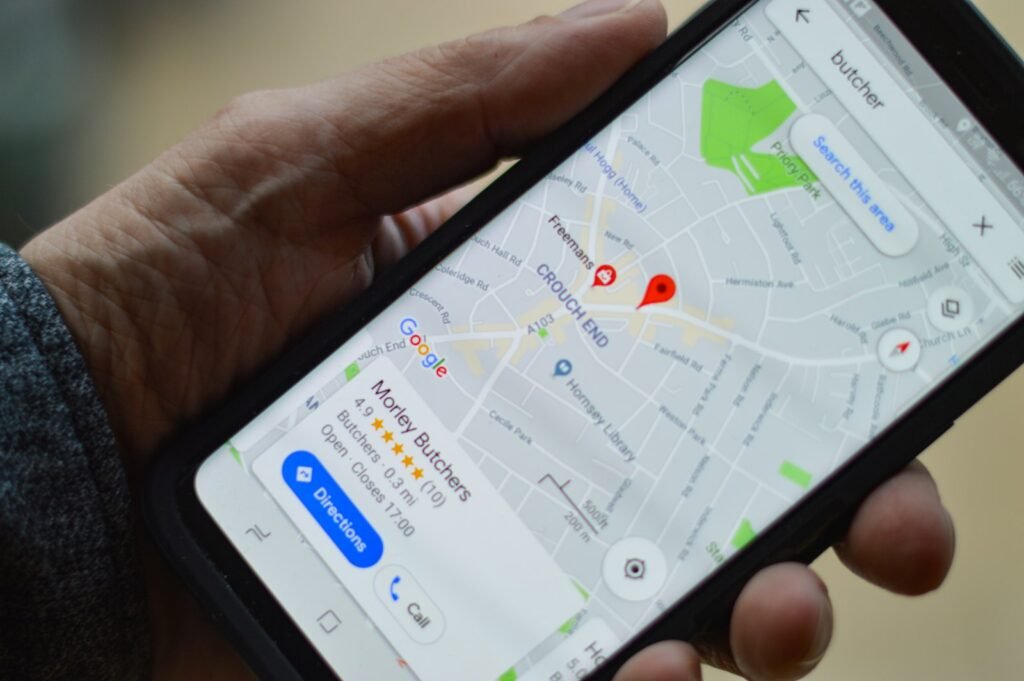
- Park safely first. Get off the road, turn on your hazard lights, and don’t use your phone while the car is moving.
- Open your map app. Wait a moment for the blue dot to settle on your spot.
- Tap the dot and choose Share. Copy the link or send it as a text message.
- Ask where to send it. Some companies take a link by text. If yours can’t, read out the address or the nearest exit and cross street.
- Keep location services on. If your battery is low, say so on the call. If you lose signal, tell the dispatcher your last known road and exit.
Stuck and need a truck? Call Hawk Towing & Auto at (409) 790-1677 and tell the dispatcher where you are.
Does the type of tow truck change how long you wait?
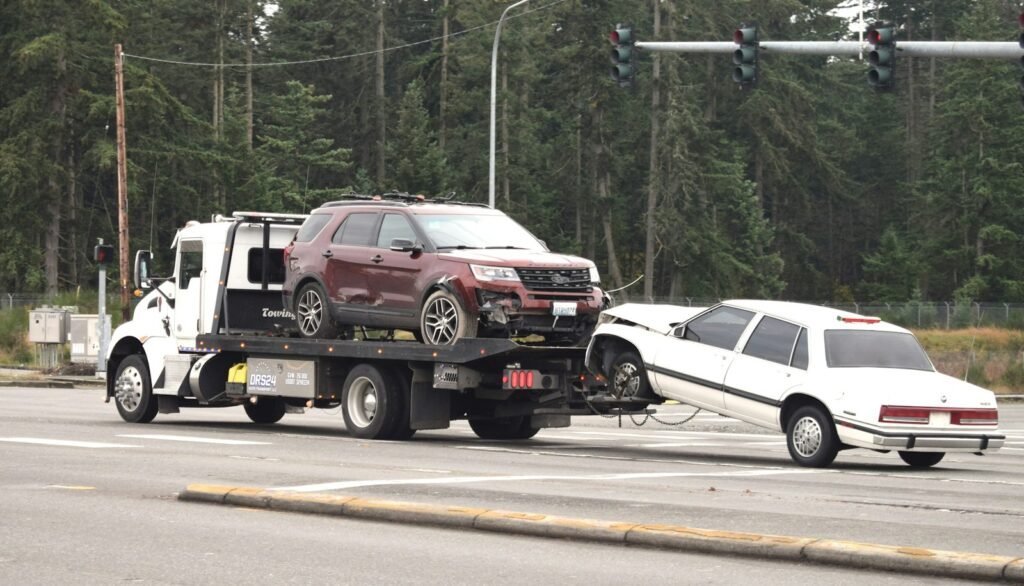
It can. The closest truck may not be the right one for your car. AWD, 4WD, lowered and many electric vehicles are often moved on a flatbed, so tell the dispatcher your drivetrain. Check your owner’s manual for towing instructions. Getting the match right on the first call can prevent a second dispatch.
| Your vehicle | Equipment often used | Tell the dispatcher |
|---|---|---|
| Car or small SUV, front or rear-wheel drive | Wheel-lift or flatbed | Make, model, and whether it rolls |
| AWD or 4WD vehicle | Flatbed | That it’s AWD or 4WD |
| Lowered or low-clearance car | Flatbed | That it sits low, so the crew can plan the ramp angle |
| Electric vehicle | Flatbed in most cases | That it’s electric, and check your manual |
| Stuck in a ditch or soft ground | Winch recovery, then a tow | What the ground looks like and how far off the road you are |
We handle cars and small SUVs with our light-duty towing service. When the vehicle needs to ride on a bed with no wheels on the road, flatbed towing is the better fit.
Does where you are in Southeast Texas change the wait?
Yes. Distance from the truck is a big part of any ETA. Hawk Towing & Auto serves Jefferson, Hardin and Orange Counties, including Beaumont, Nederland, Port Neches, Vidor and Lumberton. Tell the dispatcher your city and road, and they can tell you what the drive looks like from your spot.
What should you do while you wait for a tow truck?
Get your vehicle as far off the traveled part of the road as you can, turn on your hazard lights, and stay alert. If you need out of the car, Texas DPS says to exit on the passenger side, away from traffic. If anyone is hurt or you’re in danger, call 911 first.
- Park off the traveled lanes. The Texas Department of Public Safety (DPS) advises parking as far off the traveled portion of the highway as possible.
- Turn on your flashers. DPS says to make your vehicle visible.
- Exit away from traffic. If you leave the car, use the passenger side, away from traffic.
- Stay with your vehicle if you can. DPS advises this, especially at night or in bad weather.
- Signal for help. DPS suggests raising the hood and tying a light cloth to the antenna or door handle.
- Be careful with strangers. If someone stops, DPS says to keep your doors locked, crack a window, and ask them to call law enforcement.
- Ask what to look for. Ask the dispatcher for the company name and what the truck looks like, so you know the right truck when it pulls up.
One more thing to know when the truck arrives with its lights on. TxDOT says Texas drivers must move over a lane or slow to 20 mph below the posted speed limit when they pass a tow truck stopped on the roadside with its overhead lights on.
For a longer checklist, see our Beaumont emergency towing guide. To know what comes after the truck arrives, read what happens during a tow truck pickup.
What if the tow truck takes longer than the ETA you were given?
Call the dispatcher back and ask for a fresh ETA and the reason for the delay. Delays usually come from traffic, weather or a job that ran long. Stay in a safe spot while you wait. If you feel unsafe, tell the dispatcher and call 911 if you’re in danger.
- Give it a few minutes past the quote. ETAs are estimates, and small slips happen.
- Call back with three questions. Where is the truck now? What’s the new ETA? What changed?
- Update your location. If you moved, or you’ve found a clearer landmark, say so.
- Say it if you feel unsafe. Night, bad weather or a narrow shoulder can change what the right next step is. Tell the dispatcher and, if you’re in danger, call 911.
- If you decide to switch companies, call the first one right away. That way no truck gets sent to an empty roadside.
Frequently asked questions
Does rush hour change tow truck arrival times in Beaumont?
It can. Heavy traffic on I-10, US-69 and US-96 slows every vehicle, tow trucks included. A dispatcher factors current traffic into the ETA, but traffic can change after the call. If your wait stretches past the quote, call back and ask for an updated ETA.
Can heavy rain or flooding delay a tow in Southeast Texas?
Yes. Heavy rain slows roads, can close some of them, and often brings more breakdown calls at the same time. Tell the dispatcher about standing water or a soft shoulder near you. It helps them plan the route and pick the right equipment.
Is a tow truck ETA a promise?
No. An ETA is the dispatcher’s estimate at the time of your call. Traffic, weather and other jobs can change it. Keep your phone on and answer if the dispatcher calls back, so you get an updated time if anything shifts.
Does calling at night change the wait?
We take calls 24 hours a day, 7 days a week. At night the same factors still apply: how far the truck is, road and weather conditions, and how clearly you describe your location. Lighter traffic can help, but the dispatcher still has to confirm an ETA with you.
How do I know the tow truck that shows up is the one I called?
Ask the dispatcher for the company name and what the truck looks like. When a truck pulls up, check it against that description before you hand over your keys. Stay with your vehicle, and call the dispatcher back if anything doesn’t match.
About Hawk Towing & Auto
Hawk Towing & Auto is a towing and roadside assistance company based in Beaumont, Texas. We tow cars, SUVs and motorcycles with light-duty, medium-duty and flatbed equipment. We also handle jump starts, flat tires and lockouts, and we buy junk cars. Our work covers Jefferson, Hardin and Orange Counties, and you can reach us 24 hours a day, 7 days a week.
Read more about Hawk Towing & Auto.
Ready to call? Reach a Beaumont dispatcher at (409) 790-1677, tell us where you are, and you’ll get an ETA before you hang up.
Hawk Towing & Auto is a locally owned towing and roadside assistance company in Beaumont, TX. When you call, tell us your road, your direction and your vehicle, and we’ll tell you what happens next. See all of our towing and roadside services if you need something other than a tow.
Hawk Towing & Auto · 3140 Blanchette St, Beaumont, TX 77701 · (409) 790-1677